
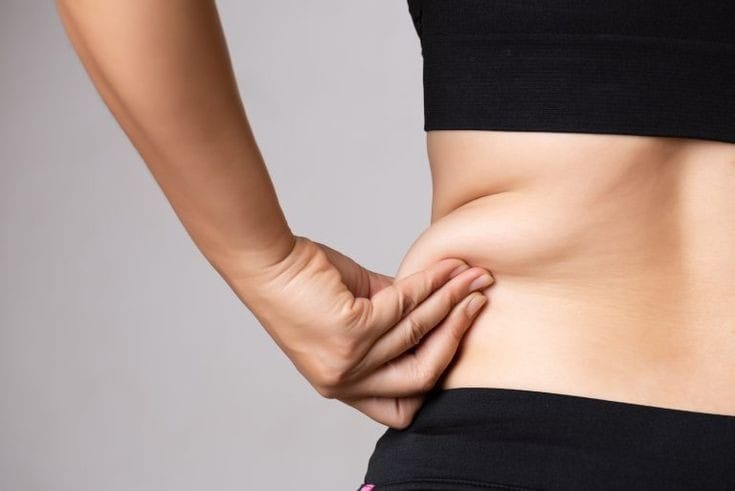
When people start exploring body contouring procedures, liposuction is often one of the first options they hear about. Many assume it is a fast solution for losing weight, but the reality is more nuanced. While liposuction can significantly improve body shape and remove stubborn fat deposits, it is not designed to replace healthy weight loss strategies or treatments offered at a weight loss clinic.
Understanding what liposuction can and cannot do is essential before considering the procedure. In this guide, we’ll break down how liposuction works, common myths surrounding it, who it’s best suited for, and how it compares with medical weight loss programs offered by specialists.
What Is Weight Loss Liposuction?
The term “weight loss liposuction” is commonly used, but medically speaking, liposuction is not actually a weight-loss procedure. Instead, it is a body contouring treatment designed to remove localized fat deposits that remain even after diet and exercise.
During the procedure, excess fat is removed from specific areas of the body to create a more defined and balanced shape. Rather than reducing overall body weight significantly, liposuction focuses on reshaping areas where stubborn fat accumulates.
Doctors commonly perform liposuction in areas where fat tends to resist lifestyle changes. These commonly treated areas include:
- Abdomen
- Flanks (love handles)
- Thighs
- Hips
- Back
- Arms
- Double chin
- Chest area in men (gynecomastia)
- Buttocks
For many patients who are already close to their ideal weight, liposuction can help refine body contours that regular workouts cannot target effectively.
Common Myths About Weight Loss Liposuction
Many people believe liposuction is a quick solution for losing weight, but it is actually a body contouring procedure designed to remove stubborn fat and shape specific areas of the body. It works best for individuals who are already near their ideal weight and want to improve body contours rather than reduce overall body weight. For people who need significant weight reduction, visiting a weight loss clinic for structured medical weight loss programs guided by experienced weight loss doctors near me is usually recommended.
Key points to understand:
- Liposuction is not a weight-loss treatment; it is meant for body contouring.
- It does not replace medical weight loss programs offered at a weight loss clinic.
- Results are not instant, as swelling takes time to subside.
- Removed fat cells do not grow back, but remaining cells can enlarge with weight gain.
How Weight Loss Liposuction Actually Works
Liposuction works by physically removing fat cells from the body using a small tube called a cannula. The cannula is inserted through tiny incisions in the skin, and the surgeon gently breaks up and suctions out fat deposits.
Once fat cells are removed, they do not grow back. However, this does not mean the body can never gain weight again. Remaining fat cells can still expand if a person gains weight in the future. This is why maintaining a stable weight after the procedure is important for long-term results.
Liposuction is typically performed as a day-care procedure, meaning patients can often return home the same day unless a very large volume of fat is removed.
Weight Loss Liposuction vs Medical Weight Loss
Understanding the difference between liposuction and medical weight loss helps set realistic expectations.
Medical weight loss focuses on improving overall health and reducing body weight through medically supervised programs. These programs are ideal for individuals who need to lose a significant amount of weight.
Liposuction, on the other hand, focuses on sculpting the body after weight has stabilized. It targets specific areas where fat remains despite lifestyle efforts.
In many cases, patients first visit a weight loss clinic to begin a weight management program and later consider liposuction once they are closer to their ideal body weight.
Who Is a Good Candidate for Liposuction?
Not everyone is an ideal candidate for liposuction. The best candidates typically share a few important characteristics.
They are usually individuals who maintain a stable weight but have stubborn fat deposits that do not respond to exercise or dieting. Good skin elasticity is also important because it helps the skin adapt smoothly after fat removal.
Candidates often include:
- Men with excess fat around the chest or flanks
- Women with stubborn fat around the abdomen or thighs
- Individuals who want improved body contour rather than major weight reduction
This is a common concern, but marital status, age, or gender does not determine eligibility. Even unmarried individuals can safely undergo liposuction if they are medically suitable.
Benefits of Weight Loss Liposuction
When performed on the right candidate, liposuction can offer several aesthetic and psychological benefits.
The procedure helps reshape the body by removing stubborn fat pockets and improving natural contours. Many patients also report feeling more confident in their clothing and more motivated to maintain healthy habits after seeing the results.
Liposuction can also improve the appearance of areas that are particularly resistant to exercise, such as love handles or lower abdominal fat.
Liposuction vs Tummy Tuck: Understanding the Difference
Many people confuse liposuction with a tummy tuck, but the two procedures address different concerns.
Liposuction removes excess fat from the abdominal area but does not tighten loose skin or abdominal muscles. A tummy tuck, on the other hand, removes excess skin, tightens abdominal muscles, and may also address stretch marks in some cases.
For patients with loose skin after pregnancy or significant weight loss, a tummy tuck may be more appropriate than liposuction alone.
Laser Liposuction vs Standard Liposuction
Another common question is whether laser liposuction works better than traditional liposuction.
Laser-assisted liposuction can offer mild skin tightening and smoother contouring in some cases. However, traditional liposuction remains the most effective method for removing larger volumes of fat.
Laser liposuction may make the process slightly easier for the surgeon and can help refine the contour, but it is not necessarily superior overall. The best technique depends on the patient’s anatomy and treatment goals.
Risks and Limitations You Should Know
Like any surgical procedure, liposuction carries certain risks, although complications are uncommon when performed by experienced professionals.
Possible risks may include swelling, bruising, temporary numbness, and mild contour irregularities. Proper patient selection and surgical technique significantly reduce these risks.
It’s also important to understand that liposuction cannot replace healthy lifestyle habits. Maintaining results requires balanced nutrition and regular physical activity.
Recovery After Weight Loss Liposuction
Recovery after liposuction is usually straightforward. Patients can typically walk and move around within a day or two after surgery.
Light daily activities often resume within three to five days, and most people can gradually return to normal routines soon after. Cardio activities such as jogging may begin around the 10th day, while light exercise usually resumes within three to four weeks.
Swelling is common during the healing phase, so wearing compression garments for about three months is important. These garments help control swelling and support proper contouring as the body heals.
In most cases, patients return home the same day after the procedure. Only large-volume procedures may require overnight observation.
Cost and Long-Term Considerations
The cost of liposuction can vary depending on several factors, including the treatment area, amount of fat removed, surgical technique, and facility charges.
While cost is an important consideration, patients should focus more on the surgeon’s experience, safety standards, and treatment planning rather than choosing the lowest price. Choose an experienced doctor like Dr. Sheetal who has a highly successful rates for liposuction surgery.
Liposuction can also be repeated if needed, although doctors typically recommend waiting at least six months between procedures to allow the body to fully heal.
Is Weight Loss Liposuction Right for You?
Liposuction can be a powerful body contouring tool, but it works best when expectations are realistic. It is not a replacement for diet, exercise, or professional guidance from a weight loss clinic.
For individuals already near their ideal weight who struggle with stubborn fat deposits, liposuction can help refine body shape and improve confidence. However, if weight reduction is the primary goal, searching for a weight loss clinic near me or experienced weight loss doctors near me for medical weight loss guidance may be the better first step.
Ultimately, the best results come from combining healthy lifestyle habits with the right medical guidance and carefully chosen aesthetic treatments. For experienced and successful liposuction process, book your consultation with Dr. Sheetal at Dr Sheetal Aesthetic Clinic.
