
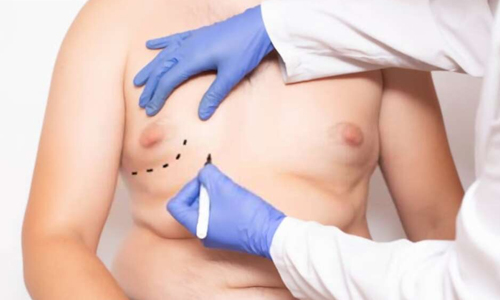
Male boobs are no longer a taboo or a topic that guys should feel ashamed of. If you are struggling with gynecomastia, you are not alone. Male chest enlargement is far more common than most people have, yet it remains one of the least taken care of or discussed concerns among men. For some, it begins during puberty and never completely resolves. For others, it develops later due to hormonal shifts, weight changes, medications, or lifestyle factors.
Regardless of whatever the cause may be, gynecomastia can affect confidence, clothing choices, posture, and even social interactions. It is hard to accept, yes, I agree… but the good news? It is treatable, and in most cases, permanently correctable.
This ultimate guide will walk you through everything you need to know about gynecomastia, including causes, grading, diagnosis, gynecomastia removal options, recovery, cost, and how to find experienced gynecomastia doctors that you should choose.
What Is Gynecomastia? What Causes Gynecomastia in Men?
Gynecomastia is the enlargement of male breast tissue caused by the growth of glandular tissue beneath the nipple. This is commonly called “male boobs.” It may affect one or both sides of the chest and can range from mild puffiness to significant projection resembling female breast contour.
One of the most important things to understand is this: Not all chest fat is the same.
Many men assume their chest fullness is simply fat from weight gain. However, true gynecomastia is caused by gland enlargement, not just excess fat. Fat can shrink with exercise; gland tissue cannot. Identifying the difference is crucial for choosing the correct treatment.
The primary cause of gynecomastia is hormonal imbalance, more specifically, a disruption between testosterone and estrogen levels. Even though estrogen is considered a female hormone, men naturally produce small amounts. When estrogen levels increase or testosterone decreases, glandular tissue may enlarge.
Other contributing causes include:
- Puberty-related hormonal fluctuations
- Aging and testosterone decline
- Anabolic steroid use
- Certain medications (antidepressants, heart medications, steroids)
- Liver or kidney disease
- Thyroid disorders
- Excess alcohol consumption
In some cases, no clear cause is identified. This is known as idiopathic gynecomastia.
Hormonal Imbalance and Risk Factors
Hormonal imbalance remains the core driver of most gynecomastia cases, but several risk factors can increase susceptibility. Rapid weight fluctuations can worsen the appearance of chest enlargement. The use of anabolic steroids or bodybuilding supplements is a well-known trigger due to their impact on testosterone conversion. Genetic predisposition may also play a role, meaning some men are naturally more prone to gland enlargement.
As men age, testosterone levels gradually decline, which can shift the hormonal balance in favor of estrogen activity. This explains why gynecomastia is also common in middle-aged and older men. Identifying these underlying contributors helps determine whether medical management is appropriate or if gynecomastia removal surgery is the most effective solution.
Symptoms and Stages of Gynecomastia
Symptoms vary depending on severity, but most men notice:
- Enlarged chest appearance
- A firm or rubbery lump beneath the nipple
- Tenderness or sensitivity
- Asymmetry between the two sides
- Emotional distress or self-consciousness
To properly plan treatment, doctors assess the severity using Simon’s Classification (Grade 1 to Grade 4).
When evaluating gynecomastia, three main factors are examined:
Breast Tissue Volume
The amount of gland and fat present — small, moderate, or large. More volume generally indicates a higher grade.
Skin Condition
Is the skin tight, slightly loose, folding, or sagging? Skin laxity usually suggests a more advanced stage.
Nipple Position
A forward-facing nipple typically indicates a lower grade. A downward-facing nipple suggests sagging and a higher grade.
Simon’s Classification
- Grade 1 – Small enlargement, no excess skin
- Grade 2A – Moderate enlargement, no skin excess
- Grade 2B – Moderate enlargement with mild skin excess
- Grade 3 – Significant enlargement with visible sagging
- Grade 4 – Severe enlargement resembling a female breast contour
Knowing your gynecomastia grade is the first step toward choosing the right solution. To know more about the grades, check out our other blog
How Gynecomastia Is Diagnosed
Diagnosis usually begins with a physical examination. An experienced specialist can often distinguish between fat and gland tissue during assessment. Medical history is reviewed to identify potential hormonal triggers or medication-related causes.
In certain cases, additional tests may be recommended:
- Hormonal blood tests
- Ultrasound imaging
- Further evaluation if asymmetry is unusual
Accurate diagnosis ensures that unnecessary treatments are avoided and the most effective solution is selected.
Gynecomastia Removal: Treatment Options
Treatment depends on the severity, cause, and duration of the condition.
Lifestyle Modification
If the issue is primarily fat accumulation (pseudogynecomastia), weight reduction may improve chest contour. However, exercise alone will not remove glandular tissue.
Medical Management
In early hormonal cases, medications may help regulate imbalance. This approach is less effective in long-standing adult gynecomastia.
Gynecomastia Removal Surgery
For persistent gland enlargement, gynecomastia removal surgery is the most reliable and permanent solution. Surgery directly removes the gland tissue and sculpts the chest to create a flatter, more masculine appearance.
Gynecomastia removal surgery is a minimally invasive procedure typically performed under local or general anesthesia. The surgical approach depends on your grade.
The procedure may involve:
- Small incisions near the areola
- Direct excision of gland tissue
- Liposuction to contour surrounding fat
- Skin tightening in advanced grades
Surgery usually takes 1–2 hours, and most patients return home the same day. The results are long-lasting, especially when body weight remains stable. With more than 100 successful surgeries, Dr. Sheetal will be the right choice when it comes to gynecomastia.
Recovery After Gynecomastia Surgery
Recovery is generally smooth and manageable. Most men are pleasantly surprised by how quickly they return to normal activities.
First Week
Mild swelling, tightness, and bruising are common. A compression garment is worn to reduce swelling and support healing tissues.
Weeks 2–4
Swelling gradually reduces, and chest contour becomes more visible. Most patients return to desk work within a few days and resume light workouts after three to four weeks.
After 2–3 Months
Final results become clearer as tissues settle completely. The chest appears flatter, firmer, and more defined.
Risks and Possible Complications
When performed by experienced surgeons, gynecomastia removal is considered safe. However, as with any surgery, potential risks include:
- Temporary swelling or bruising
- Minor asymmetry
- Numbness around the nipple
- Scar visibility
- Rare infection
Choosing skilled gynecomastia doctors significantly reduces these risks.
Cost of Gynecomastia Removal
The cost of gynecomastia removal depends on several factors:
- Severity grade
- Surgical technique required
- Anesthesia and facility charges
- Geographic location
Higher-grade cases requiring skin removal may involve slightly higher costs. A personalized consultation provides accurate pricing.
How to Choose the Right Specialist
Selecting the right surgeon is one of the most important decisions in your gynecomastia journey. Look for:
- Experience in male chest contouring
- Proven case results
- Clear explanation of grading and technique
- Transparent pricing
- Proper surgical facility standards
Do not base your decision on cost alone; expertise matters far more.
When searching online for gynecomastia doctors, focus on specialization and experience rather than just proximity. An experienced surgeon understands grading, skin quality assessment, and gland excision techniques that produce natural results.
Read reviews, view before-and-after photos, and ensure the doctor provides detailed consultations before recommending surgery. For a detailed consultation, schedule your consultation with Dr. Sheetal at Dr. Sheetal Aesthetic Clinic, Madurai.
Conclusion
Gynecomastia is a medical condition, not a personal failure. Understanding whether the issue is fat, gland, or skin excess is the foundation of effective treatment.
✔ Knowing your grade guides the right solution
✔ Surgery offers permanent correction in most cases
✔ Choosing experienced gynecomastia doctors improves safety and results
If you are struggling with gynecomastia, the first step is professional evaluation. The right diagnosis leads to the right treatment and ultimately, renewed confidence. Book your consultation now.
Frequently Asked Questions About Gynecomastia
Can Exercise Fix Gynecomastia?
Exercise can help reduce overall body fat and improve chest definition, especially if the fullness is due to fat (pseudogynecomastia). However, true gynecomastia involves enlarged gland tissue beneath the nipple, and gland tissue does not shrink with workouts or dieting. While building chest muscles may slightly improve appearance, exercise alone cannot eliminate glandular enlargement. In such cases, gynecomastia removal is the only permanent solution.
Is Gynecomastia Permanent?
In teenagers, gynecomastia may sometimes resolve as hormones stabilize. But in adults, persistent glandular enlargement typically does not disappear on its own. Once the gland tissue has developed and remained for a prolonged period, it usually requires medical or surgical treatment for correction.
Is Surgery Painful?
Gynecomastia removal surgery is performed under anesthesia, so there is no pain during the procedure. After surgery, most patients experience mild soreness or tightness rather than severe pain. Discomfort is usually manageable with prescribed medications and improves significantly within a few days.
Are Results Permanent?
Yes, results are generally permanent because the excess gland tissue is removed. However, maintaining stable hormone levels and avoiding significant weight gain or steroid use is important to prevent recurrence.
