
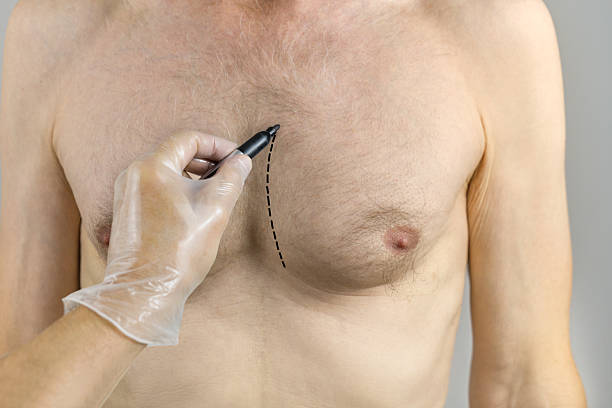
If you’ve ever looked in the mirror and thought, “This wasn’t here before,” or “Why is this huge all of a sudden?” you’re not alone. Chest changes in men can be confusing and sometimes frustrating. While weight gain is often blamed, hormone-related medications are a commonly overlooked factor in gynecomastia. Understanding how these medications affect your body can help you make sense of what’s happening and what steps to consider next.
What Is Gyno in Men, Really?
“Gyno” is a casual term for gynecomastia, a condition where male breast tissue enlarges due to hormonal imbalance—not just excess fat. When estrogen activity outweighs testosterone, glandular tissue can begin to grow beneath the nipple.
This can happen:
- During puberty
- In adulthood due to medications or health conditions
- Later in life as hormone levels naturally change
Gynecomastia may affect one or both sides of the chest and can feel firm, rubbery, or tender in some cases.
The Hormone Balance Problem (And Why It Matters)
Testosterone and estrogen are both present in men—just in different proportions. Problems arise when this balance shifts.
Hormone-related medications can:
- Reduce natural testosterone production
- Block testosterone receptors
- Increase estrogen activity directly or indirectly
When testosterone influence drops and estrogen becomes more active, the body may respond by developing breast tissue.
Medications Commonly Linked to Gynecomastia
Certain medications and substances are more frequently associated with gynecomastia, including:
Bodybuilding & Performance-Related Hormones
Anabolic steroids and testosterone-based supplements may initially boost muscle mass but can shut down natural hormone production over time. Once external hormone use stops, estrogen levels may remain relatively high, increasing the risk of gynecomastia.
Anti-Androgens
Medications used for prostate conditions and sometimes for hair loss work by blocking testosterone. While effective for their intended purpose, this shift may allow estrogen to have a stronger effect on breast tissue.
Mental Health Medications
Some antipsychotic and antidepressant medications can interfere with hormone signaling or increase prolactin levels, which has been associated with breast tissue changes in some men.
This doesn’t mean these medications are unsafe—but it does highlight why monitoring and medical guidance matter.
Gynecomastia vs. Chest Fat: Why Exercise Isn’t Always Enough
One of the biggest frustrations men face is doing everything “right”—working out, losing weight—yet the chest doesn’t change. That’s because gynecomastia is not the same as chest fat.
- Fat tissue may reduce with diet and exercise
- Glandular tissue usually does not
This is why many men searching for gynecomastia how to reduce realize that lifestyle changes alone may not fully address the issue.
How to Fix Gynecomastia: Understanding Treatment Pathways
So, how do you fix gynecomastia? The answer depends on several factors:
- How long the condition has been present
- Whether the tissue is primarily fat, glandular, or both
- The presence of excess or loose skin
Early or medication-related cases may be monitored or managed conservatively. For long-standing gynecomastia, gynecomastia removal may be discussed after proper evaluation. Treatment plans are always individualized and based on anatomy, goals, and overall health.
When Is It Time to Seek Medical Advice?
Consider speaking with a specialist if:
- Chest enlargement has lasted longer than 6–12 months
- You feel a firm lump beneath the nipple
- One side appears larger than the other
- There is tenderness or discomfort
- Confidence or daily activities are affected
A medical evaluation helps determine whether gynecomastia is present and what options may be appropriate.
Gynecomastia Cost: What Influences the Price?
The gynecomastia cost can vary from person to person and depends on several factors. These may include the severity of the condition, the amount of glandular tissue and fat present, whether excess skin needs to be addressed, and the surgical approach recommended. Facility charges, anesthesia, and post-procedure care can also influence overall cost. A consultation at Dr. Sheetal’s aesthetics Clinic in Madurai helps determine a personalized treatment plan and provides clear information about expected expenses.
Gynecomastia Recovery Time: What to Expect
Gynecomastia recovery time varies based on the extent of the procedure and individual healing patterns. Most patients are able to return to light daily activities within a few days, while swelling, firmness, or mild discomfort may take a few weeks to gradually settle. Compression garments and follow-up care may be advised as part of the recovery process. A medical professional can provide specific guidance based on the procedure performed and your overall health.
Finally
Gynecomastia can feel unexpected, but it’s more common than many men realize—especially when hormone medications are involved. The key is understanding that it’s not a personal failure or lack of effort, but often a biological response to hormonal changes. With accurate information and professional guidance, men can explore options with clarity and confidence. To get your consultation visit Dr Sheetal Aesthetic Clinic.
